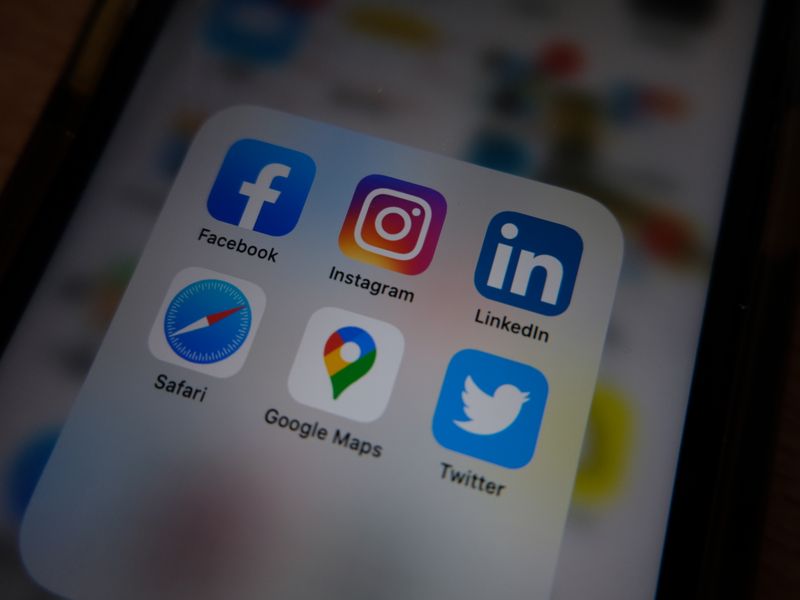
When someone wants to know more about you, they often head straight to Google. Their search results may include your LinkedIn profile, Facebook page, Instagram account, X profile, and other social media accounts. Those profiles become part of the first impression you make online, and so does the content you share on those social media platforms.
That makes social media an important part of reputation management.
Social Profiles Are Search Results You Can Control
When someone searches for your name or brand, the first page of results rarely consists entirely of your website. Social media websites carry enough domain authority to rank on page one for branded searches.
This matters because those profiles, whether you created them intentionally or not, become part of how people form their first impression of you. An optimized, active LinkedIn profile signals credibility and professional standing. An abandoned or unclaimed social account signals something else entirely.
Claiming and building out your profiles across major platforms is one of the most concrete steps you can take in social media online reputation management. Each profile you control is a search result you own. A fully developed LinkedIn page can hold a ranking position that would otherwise go to a review site or negative press. From a search visibility standpoint, every major platform you build out is one more result working in your favor.
Build a Stronger Search Presence Through Social Media
If you’ve ever worked with an internet reputation management service, they’ve likely asked about your social media content. This is because content is what search engines index. Consistent, thoughtful posting on platforms like LinkedIn, Facebook, and YouTube creates a steady stream of brand-aligned content that surfaces when someone looks you up.
The type of content matters as much as the frequency. Posts that earn engagement, shares, and comments send signals to search algorithms that the account producing them carries authority. Over time, high-engagement social content builds credibility signals that help push less flattering material further down the page.
This is not about posting for the sake of volume. It is about being deliberate. When you publish content that reflects your expertise, values, and professional accomplishments, you give search engines positive material to index and rank. A steady cadence of credible, relevant posts becomes a long-term suppression asset, building authority that compounds rather than fades.
When Other People Post About You
Reputation risk on social media does not only come from your own accounts. Tags, mentions, negative comments, and posts from other users can also rank in search results, especially when they generate significant engagement.
A complaint thread that spreads across Twitter/X, a damaging post in a Facebook group, or a critical video on YouTube can all attract traffic and links, which raises their visibility in search rankings. Unlike content on your own channels, you have no direct editorial control over what others publish.
This is where reputation management gets more complex. You cannot always prevent others from posting negative content, but you can reduce its reach and impact. Running periodic, defined-scope checks of your brand mentions across major social platforms helps you identify damaging content early, before it accumulates engagement and gains search traction. Catching it early gives you far more options than waiting until something has already spread across platforms.
How Social Media Can Strengthen SEO
Social media and search engine optimization (SEO) have a relationship that is often oversimplified. Social shares are not a direct ranking signal like backlinks, but they influence the factors that drive rankings. When content gets shared widely on social media, it reaches more people, drives more traffic, and accumulates the engagement data that signals relevance and authority to search engines.
This indirect chain matters for reputation work. Positive content that gets amplified through social channels earns more clicks, more links, and stronger credibility signals over time. That accumulation is part of what allows a well-executed content and social strategy to push negative results down the page and keep them there.
Social amplification does not replace strong content. It accelerates the impact of existing content. A press release that earns social distribution reaches a broader audience and generates more activity than one that sits unshared. For suppression work, that amplification effect is a force multiplier.
Integrating Social Media into Reputation Management
Social media is rarely a standalone solution in reputation work. It is one layer of a broader strategy that includes press releases, articles, optimized profiles, and digital security measures, all working together to shape what people find when they search your name.
Social media online reputation management is one part of a broader strategy that can include press releases, articles, optimized profiles, and digital security measures. That means auditing your existing social presence, identifying gaps and unclaimed profiles, developing the accounts with the greatest search-visibility potential, and building a content plan that will elevate helpful content and suppress negative content.
The goal is coordination. A press release that earns a search ranking works harder when it is also distributed through social channels. A LinkedIn profile that ranks for your name performs better when updated consistently with credible, engaging content. Each piece reinforces the others, and the combined effect is greater than any single channel could produce on its own.
Online Reputations builds these integrated strategies for individuals, executives, and brands ready to take control of how they appear online. Contact us for more information.